
March 2026 Google Ads Update – VRC Non-Skip Ads Expand CTV Reach
Introduced
Mar 02, 2026
Impact Rating
 Medium
Granular analysis and first look
VRC Non-Skip Ads Are Now Generally Available
Google announced on March 2, 2026, that Video Reach Campaign Non-Skip ads are generally available worldwide in Google Ads and Display & Video 360. For advertisers investing in YouTube advertising services, the release provides a more automated way to combine non-skippable video formats and reach viewers watching YouTube on television screens.
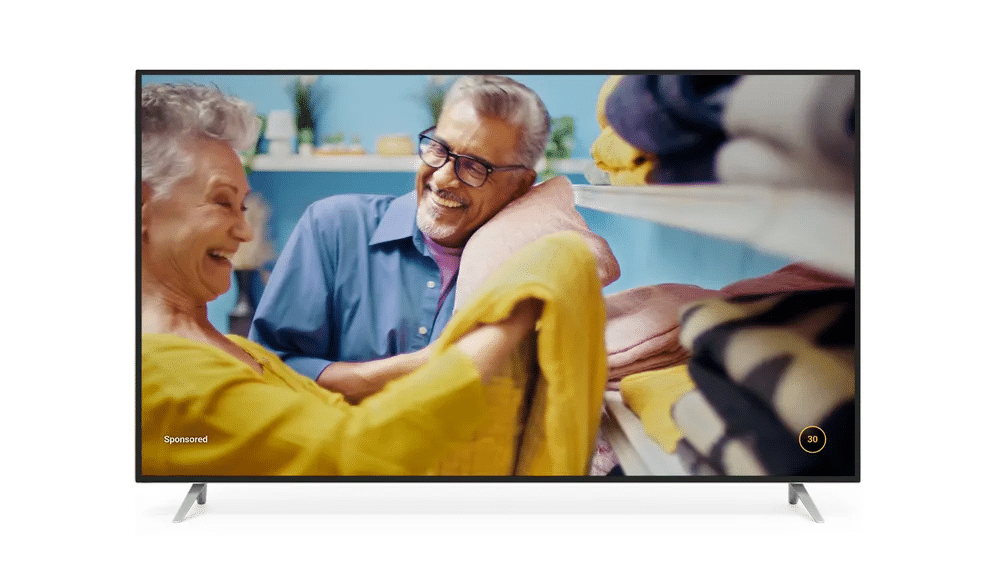
VRC Non-Skip campaigns use Google AI to allocate delivery among three formats:
- 6-second bumper ads
- 15-second non-skippable ads
- 30-second CTV-only non-skippable ads
Google positions this campaign type as a more efficient alternative to building separate campaigns for each video length.
Why This Google Ads Update Matters
Ads Are Designed for the TV Screen
VRC Non-Skip campaigns are optimized for connected TV delivery. Because viewers cannot skip the ads, brands can deliver their complete message rather than relying on viewers to remain engaged after a skip button appears.
This makes the format particularly relevant for campaigns focused on broad awareness, product launches and memorable brand storytelling.
Google AI Manages the Format Mix
Instead of manually dividing budgets among bumper, 15-second and 30-second campaigns, advertisers can provide multiple creative lengths within one campaign. Google AI then determines which format and impression opportunity can best contribute to the campaign’s reach objective.
The benefit is simpler campaign management, but creative quality remains important. Each video should communicate effectively on its own rather than functioning as an incomplete edit of a longer commercial.
The 30-Second Format Is Limited to CTV
The 30-second non-skippable format is designed specifically for connected TV inventory. This gives advertisers more time to tell a story when viewers are watching on a larger screen.
However, longer does not automatically mean more effective. Advertisers should compare incremental reach, frequency and brand-lift results rather than assuming a 30-second impression is always more valuable.
How VRC Non-Skip Campaigns Affect Media Planning
The launch reduces the need to treat different non-skippable lengths as isolated media tactics. Advertisers can instead give Google a collection of eligible assets and allow the system to optimize the mix.
This approach may help brands:
- Increase unique reach across non-skippable inventory.
- Reduce overlap between separate format-specific campaigns.
- Adapt delivery to available CTV opportunities.
- Simplify budget allocation across multiple video lengths.
- Preserve complete message delivery.
Google says its AI-powered approach can generate more unique reach and impact than manually combining single-format campaigns. That is Google’s stated product benefit, so advertisers should validate the result against their own reach and brand measurement.
What Advertisers Should Do Next
Develop Videos for Each Available Length
Brands should avoid relying on one master commercial that is simply shortened for every placement. The opening, pace and call to action should reflect the time available.
A practical creative structure could include:
- 6 seconds: One idea, distinctive branding and immediate recognition.
- 15 seconds: A focused benefit supported by a clear product message.
- 30 seconds: A fuller narrative, demonstration or brand story.
Monitor Reach and Frequency Together
Non-skippable ads guarantee message completion, but excessive repetition can create viewer fatigue. Advertisers should monitor unique reach alongside average impression frequency and campaign cost.
Campaign success should not be judged by completed views alone, since completion is built into the format.
Compare Automated and Manual Approaches
Advertisers with established video programs may benefit from testing VRC Non-Skip against their existing mix. Useful comparison points include:
- Cost per unique user reached.
- Incremental reach beyond other YouTube campaigns.
- Frequency distribution.
- Brand-lift performance.
- Geographic and audience-level delivery.
- CTV’s contribution to total reach.
Testing should be structured carefully to minimize audience overlap and avoid attributing the same viewer to multiple strategies.
Key Takeaways
- VRC Non-Skip ads are generally available globally in Google Ads and Display & Video 360.
- Campaigns can optimize across 6-, 15- and 30-second non-skippable formats.
- The 30-second format is available only on connected TV.
- Google AI determines the mix of formats and delivery opportunities.
- The campaign type is designed to increase unique reach compared with manually separated campaigns.
- Advertisers still need strong creative variety, frequency controls and independent performance evaluation.
VRC Non-Skip ads give YouTube advertisers a more consolidated way to reach connected TV audiences with complete brand messages. The greatest opportunity is not simply access to longer, non-skippable inventory—it is Google AI’s ability to coordinate multiple creative lengths within one reach-focused campaign.
Advertisers should approach the launch as a testing opportunity. Strong format-specific creative, disciplined frequency monitoring and incremental-reach measurement will be essential for determining whether the automated mix delivers better business value than an existing video strategy.
Helpful links for this Google update
Learn more about past Google updates
- Sep 2026 - September 2026 Google Ads Update – Demand Gen Adds Faster Paths to Conversion
- Sep 2026 - September 2026 Google Ads Update – AI Max Adds Languages and Journey Reporting
- Sep 2026 - September 2026 Google Ads Update – Agentic Holiday Commerce
- Sep 2026 - September 2026 Google Ads Update – New Measurement Tools
- Aug 2026 - August 2026 Google Ads Update – Demand Gen Adds New Ways to Drive Leads and Sales
- Aug 2026 - August 2026 Google Ads Update – New AI Max Testing Tools
- Aug 2026 - August 2026 Google Ads Update – Demand Gen VTC Bidding Changes
- Aug 2026 - August 2026 Google Ads Update – Language Targeting Simplified
- Aug 2026 - August 2026 Google Ads Update – New AI Tools Turn Insights Into Action
- Jul 2026 - July 2026 Google Ads Update – Holiday Demand Gen Tools
- Jul 2026 - July 2026 Google Ads Update – Video Campaign Group Controls
- Jul 2026 - July 2026 Google Ads Update – Google Expands AI Transparency Across Ads
- Jul 2026 - August 2026 Google Ads Update – Target Bidding Gets More Predictable
- Jun 2026 - June 2026 Google Ads Update – YouTube Brand Campaign Measurement Gets Stronger
- Jun 2026 - June 2026 Google Ads Update – Demand Gen Drop Adds AI Creative Tool
- Jun 2026 - June 2026 Google Ads Update – Financial Verification Expands Across Europe
- Jun 2026 - June 2026 Google Ads Update – YouTube Adds Gemini Creator Insights
- Jun 2026 - June 2026 Google Ads Update – Enhanced Local Services Ads for Home Listings bring homebuyers and local agents together
- Jun 2026 - June 2026 Google Ads Update – YouTube Shorts Earns MRC Brand Safety Accreditation
- May 2026 - May 2026 Google Ads Update – Ads Decoded Highlights AI’s Marketing Shift
- May 2026 - June 2026 Google Ads Update – Google Display Ads Move Into Demand Gen
- May 2026 - May 2026 Google Ads Update – Asset Studio Adds Multimodal Creative Tools