
May 2026 Google Ads Update – AI Bidding and Budgeting Tools for Search and Shopping
Introduced
May 20, 2026
Impact Rating
 High
High
Granular analysis and first look
Google is adding more AI-powered flexibility to Search and Shopping campaign management, creating new opportunities for advertisers using paid search strategy to capture demand more efficiently. These upcoming bidding and budgeting updates are designed to help advertisers respond to changing consumer behavior without relying as heavily on manual bid and budget adjustments.
For PPC teams, the message is clear: Google wants bidding, budgeting and growth discovery to work together more dynamically.
What’s Changing With AI Bidding?
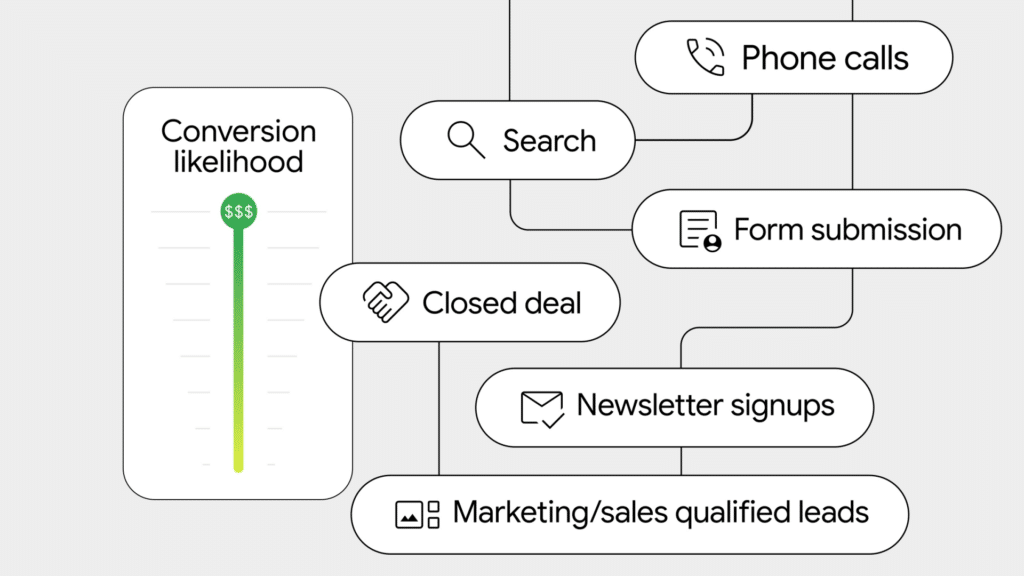
Google announced new bidding updates designed to help advertisers better understand customer intent and find additional conversion opportunities. One of the biggest additions is journey-aware bidding, currently in beta, which helps Search campaigns using Target CPA learn from both biddable and non-biddable conversion goals when advertisers track the full lead-to-sales journey.
This is especially relevant for lead generation advertisers. Instead of optimizing only toward the first conversion point, Google AI can factor in more steps of the customer journey, such as phone calls, form submissions, newsletter signups and other meaningful touchpoints.
Smart Bidding Exploration Expands Beyond Search
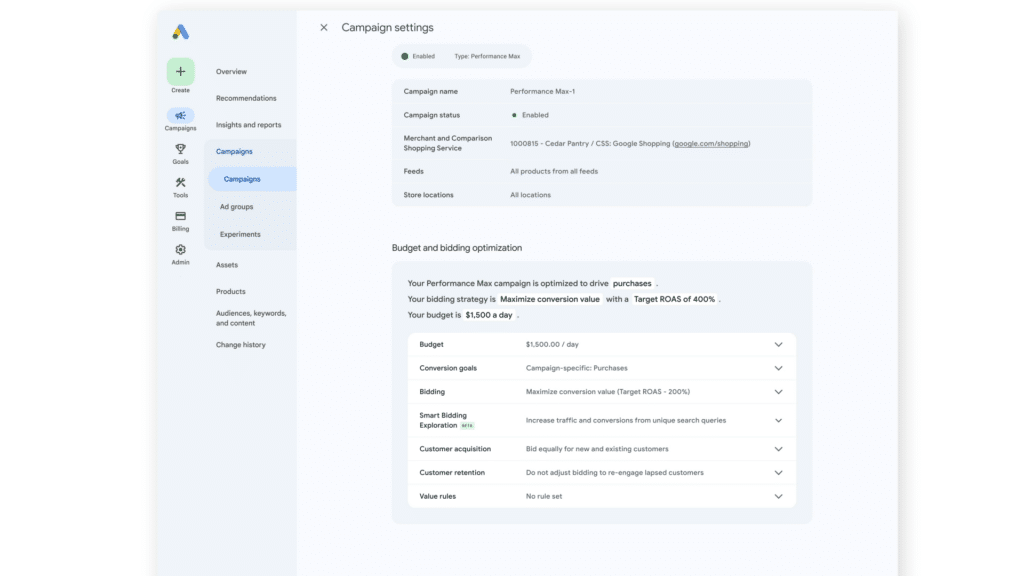
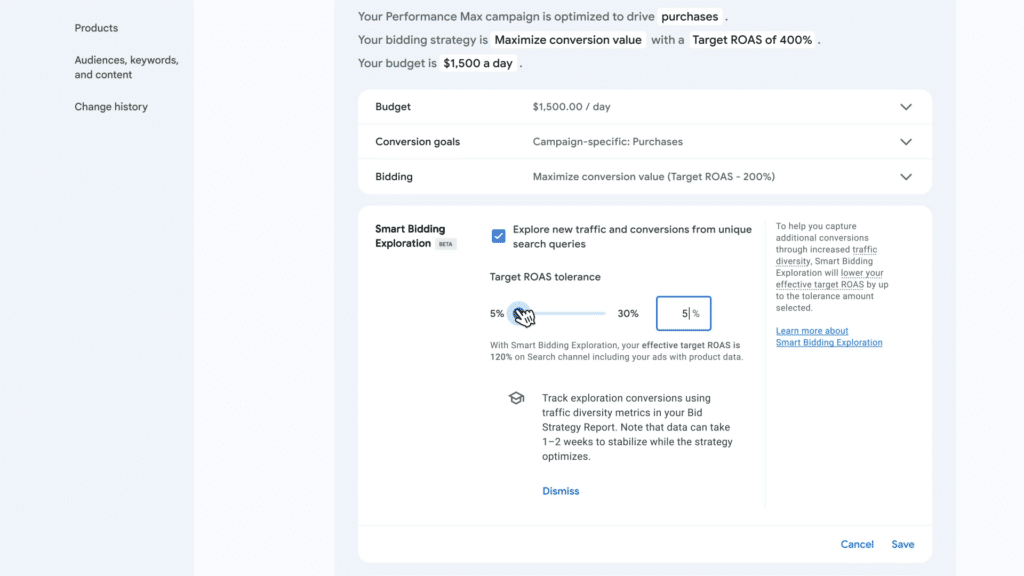
Google is also expanding Smart Bidding Exploration, which was previously introduced for Search campaigns. The feature allows advertisers to set a ROAS tolerance so Google AI can pursue less obvious, potentially valuable queries without changing campaign targeting. Google says Search campaigns using Smart Bidding Exploration see 27% more unique converting users on average.
Soon, that same capability will extend to Performance Max campaigns with product feeds and Shopping campaigns. Smart Bidding Exploration for Performance Max is currently in beta, with beta access for Performance Max with product feeds and Shopping campaigns expected to launch in the coming weeks.
New Budgeting Tools Follow Consumer Demand
Google is also upgrading budget pacing for Search and Shopping campaigns. With demand-led pacing, Google AI will adjust spend based on consumer demand, spending more on peak days and less on slower days while staying within monthly budget and daily spending limits.
This builds on campaign total budgets, which Google launched earlier in 2026 for Search, Shopping and Performance Max campaigns. Google says advertisers using campaign total budgets saw a 66% average reduction in manual budget adjustments compared with daily budgets.
Why This Matters for Advertisers
These updates show how Google Ads is continuing to move from manual controls toward AI-assisted decision-making. That does not eliminate the need for strategy, but it changes where advertisers should focus their time.
Instead of spending as much time on daily budget changes or narrow query management, advertisers will need to focus on higher-quality inputs. That includes stronger conversion tracking, better lead stage definitions, clean product feeds, realistic ROAS or CPA targets and clear budget strategy.
For lead generation advertisers, journey-aware bidding could be especially useful if offline sales data or qualified lead stages are being tracked well. For ecommerce advertisers, Smart Bidding Exploration and demand-led pacing could help capture incremental demand during seasonal shifts, promotions or high-intent shopping moments.
Key Takeaways
- Google is introducing new AI-powered bidding and budgeting tools for Search and Shopping.
- Journey-aware bidding can help Search campaigns learn from the full lead-to-sales journey.
- Smart Bidding Exploration is expanding to Performance Max with product feeds and Shopping campaigns.
- Demand-led pacing will shift spend toward higher-demand days while staying within budget limits.
- Advertisers should prioritize conversion data quality, product feed accuracy and thoughtful budget guardrails.
Google’s latest bidding and budgeting updates give advertisers more automation, but they also raise the importance of strategic inputs. AI can help identify demand and shift spend more efficiently, but campaign performance will still depend on the quality of the data, goals and controls advertisers provide.
For PPC teams, now is the time to review conversion tracking, budget structures and bidding strategy before these tools become a bigger part of everyday campaign management.
Helpful links for this Google update
Learn more about past Google updates
- Oct 2026 - October 2026 Google Ads Update – New Channel Prioritization and Budget Allocation Controls
- Oct 2026 - October 2026 Google Ads Update – Demand Gen Data Strength Improvements
- Oct 2026 - October 2026 Google Ads Update – Demand Gen Changes View-Through Conversion Reporting
- Oct 2026 - October 2026 Google Ads Update – Automated Promotions from Your Website
- Oct 2026 - October 2026 Google Ads Update – Business Name Policy Gets More Flexible
- Sep 2026 - September 2026 Google Ads Update – Demand Gen Adds Faster Paths to Conversion
- Sep 2026 - September 2026 Google Ads Update – AI Max Adds Languages and Journey Reporting
- Sep 2026 - September 2026 Google Ads Update – Agentic Holiday Commerce
- Sep 2026 - September 2026 Google Ads Update – New Measurement Tools
- Aug 2026 - August 2026 Google Ads Update – Demand Gen Adds New Ways to Drive Leads and Sales
- Aug 2026 - August 2026 Google Ads Update – New AI Max Testing Tools
- Aug 2026 - August 2026 Google Ads Update – Demand Gen VTC Bidding Changes
- Aug 2026 - August 2026 Google Ads Update – Language Targeting Simplified
- Aug 2026 - August 2026 Google Ads Update – New AI Tools Turn Insights Into Action
- Jul 2026 - July 2026 Google Ads Update – Holiday Demand Gen Tools
- Jul 2026 - July 2026 Google Ads Update – Video Campaign Group Controls
- Jul 2026 - July 2026 Google Ads Update – Google Expands AI Transparency Across Ads
- Jul 2026 - August 2026 Google Ads Update – Target Bidding Gets More Predictable
- Jun 2026 - June 2026 Google Ads Update – YouTube Brand Campaign Measurement Gets Stronger
- Jun 2026 - June 2026 Google Ads Update – Demand Gen Drop Adds AI Creative Tool
- Jun 2026 - June 2026 Google Ads Update – Financial Verification Expands Across Europe
- Jun 2026 - June 2026 Google Ads Update – YouTube Adds Gemini Creator Insights